















Magnesium Glycinate and Other Types
Glycinate is the form most people choose for sleep and calm. Here is our top pick, how it compares with citrate, malate, threonate and the rest, and when each one makes sense.

Magnesium Glycinate 90 Capsules
Magnesium glycinate 120 mg per capsule, hypoallergenic, no fillers. Our most bought magnesium by a wide margin.
Which type of magnesium is right for you?
Magnesium is always bound to another compound, and that partner changes how well it is absorbed and what people use it for. A quick guide:
Our pick for each type
One pick per type, chosen from what Hewyn customers buy.
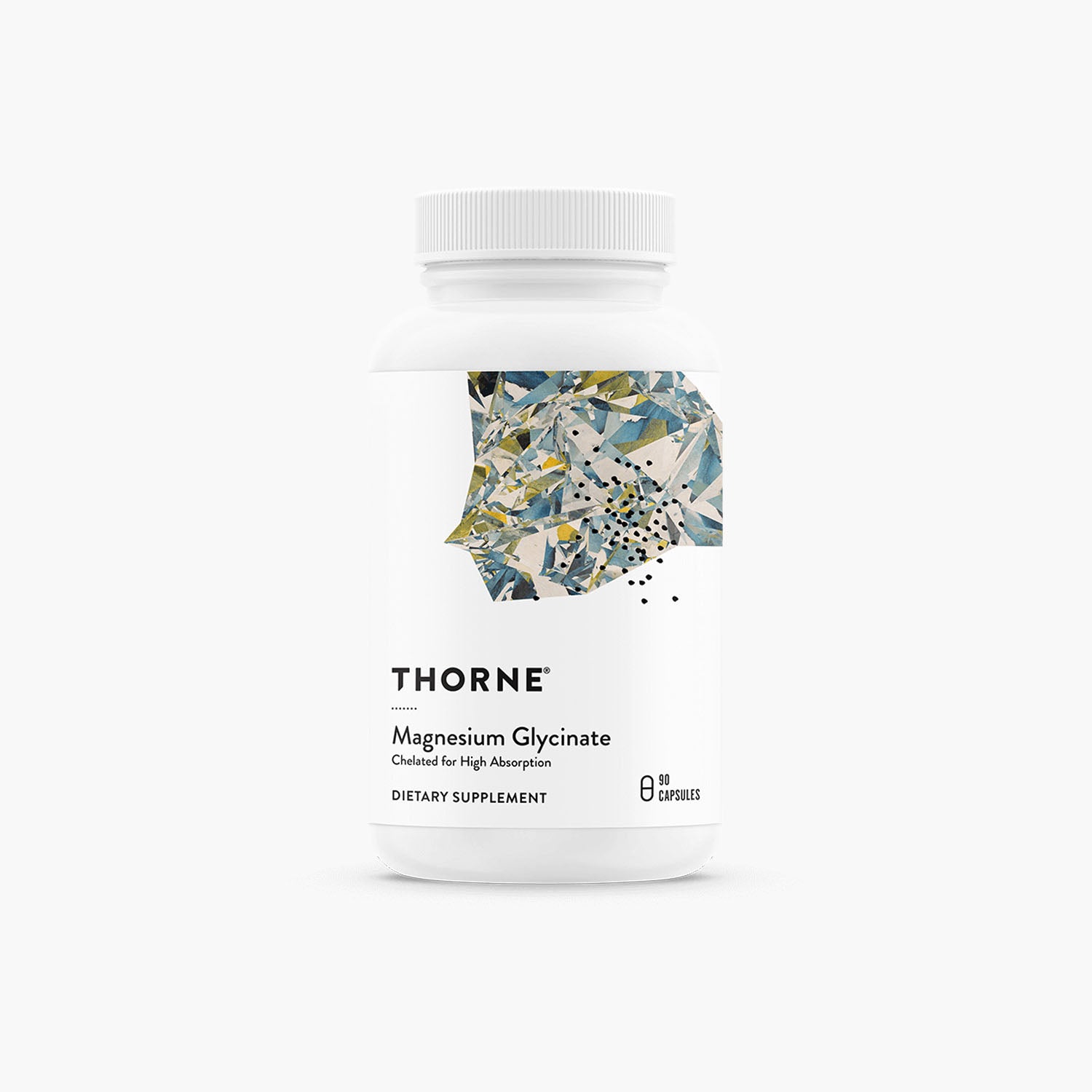
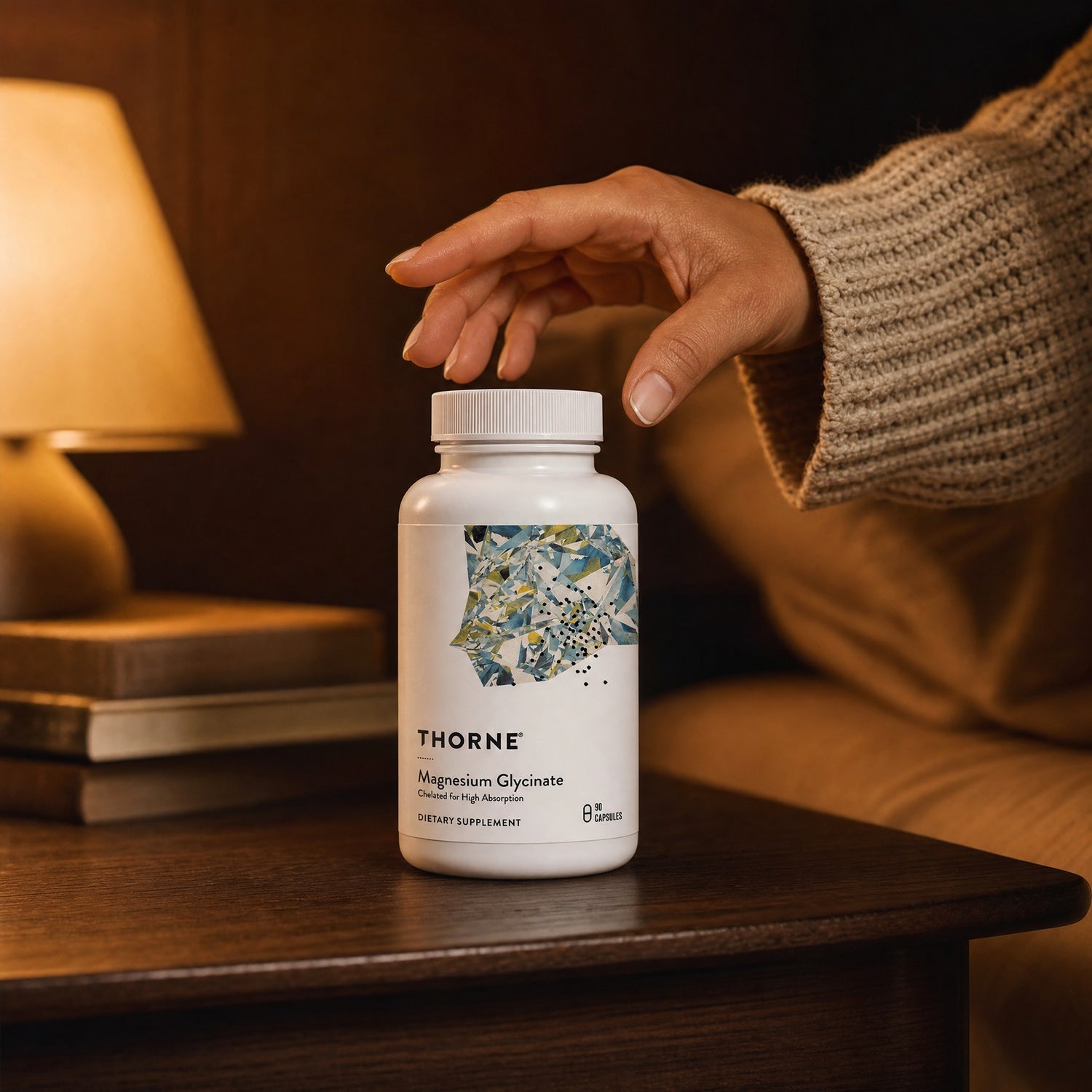
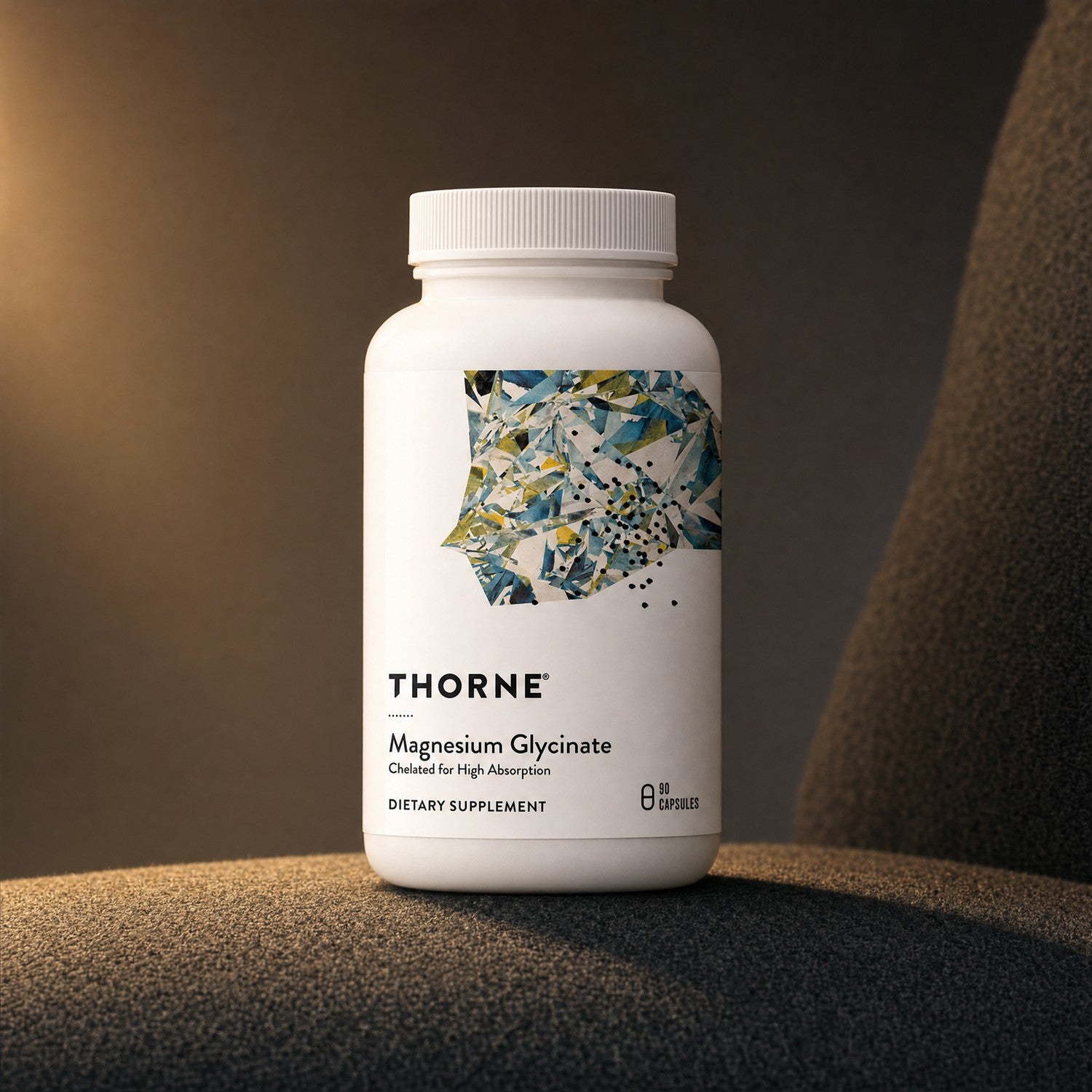
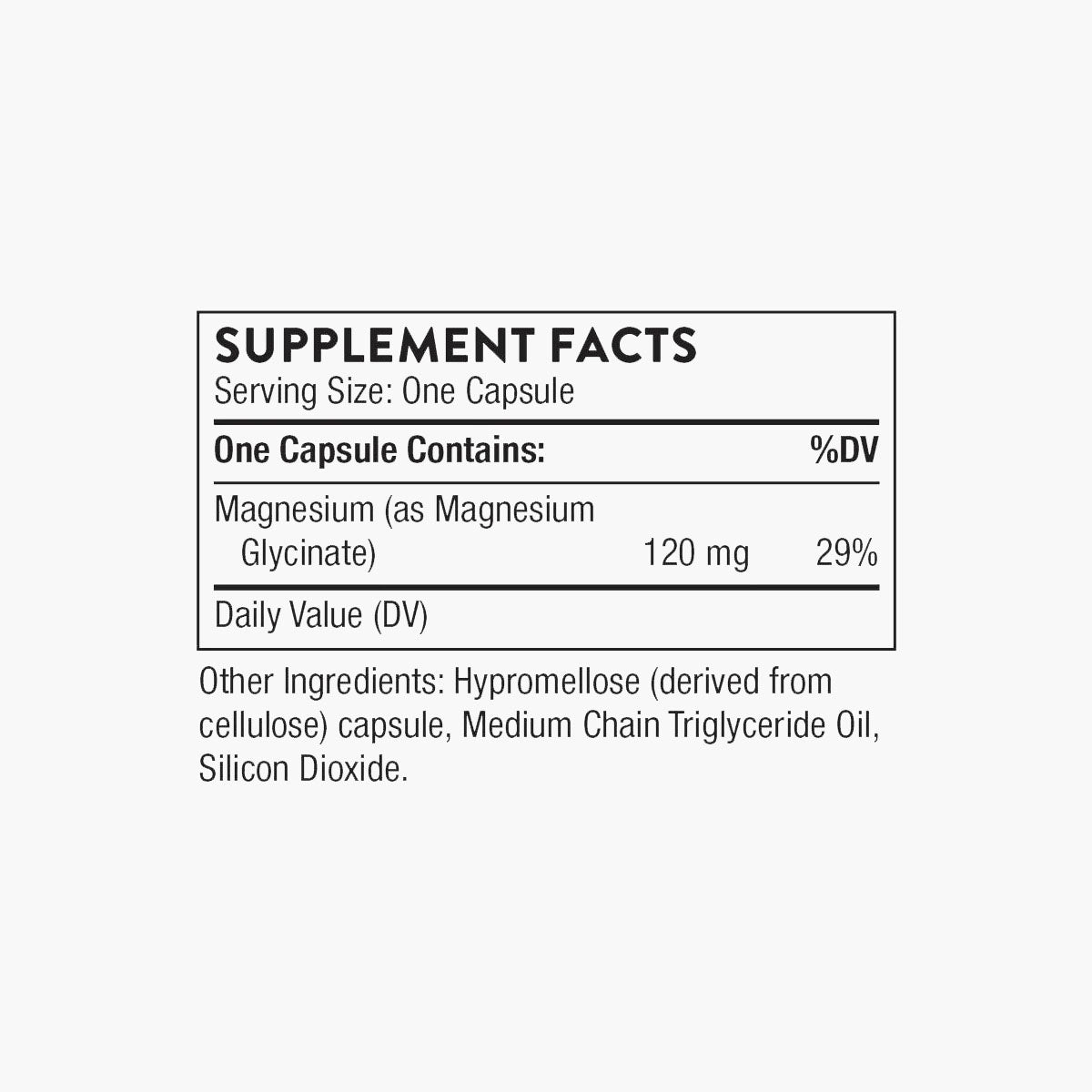
Glycinate: clean, simple 90 capsules from Thorne
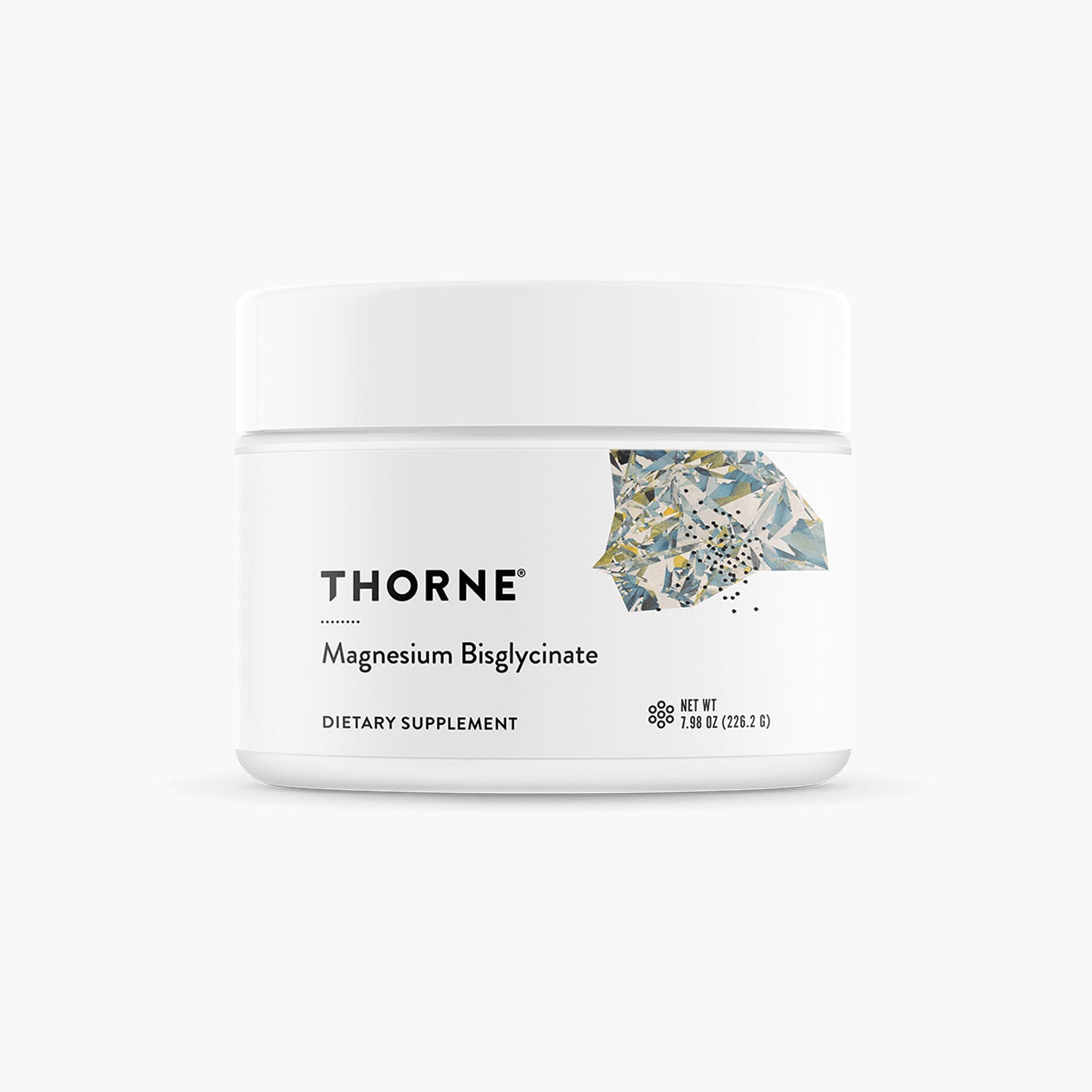


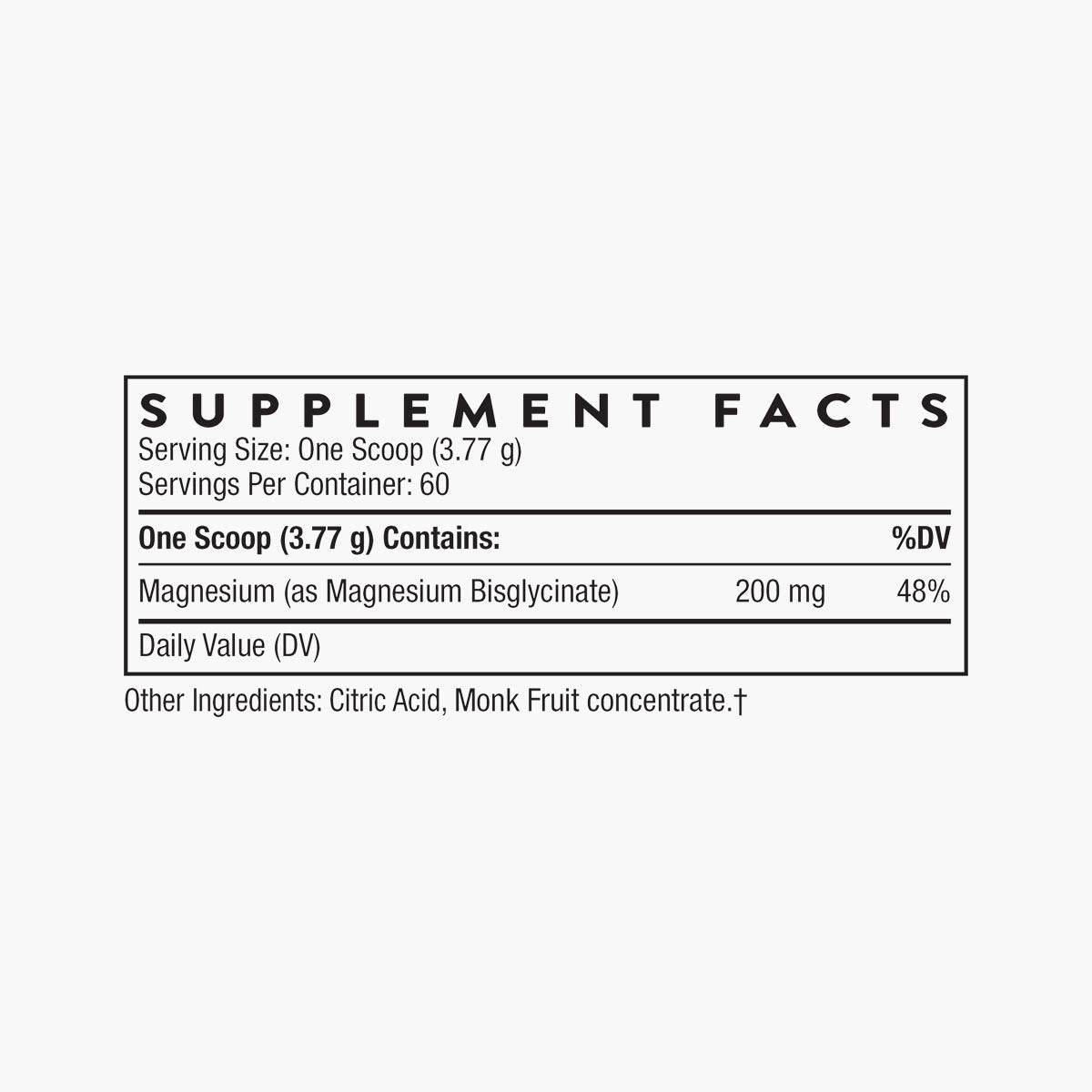
Glycinate as a powder: flexible dose, mixes into water


L-threonate (Magtein): the form studied for focus and memory
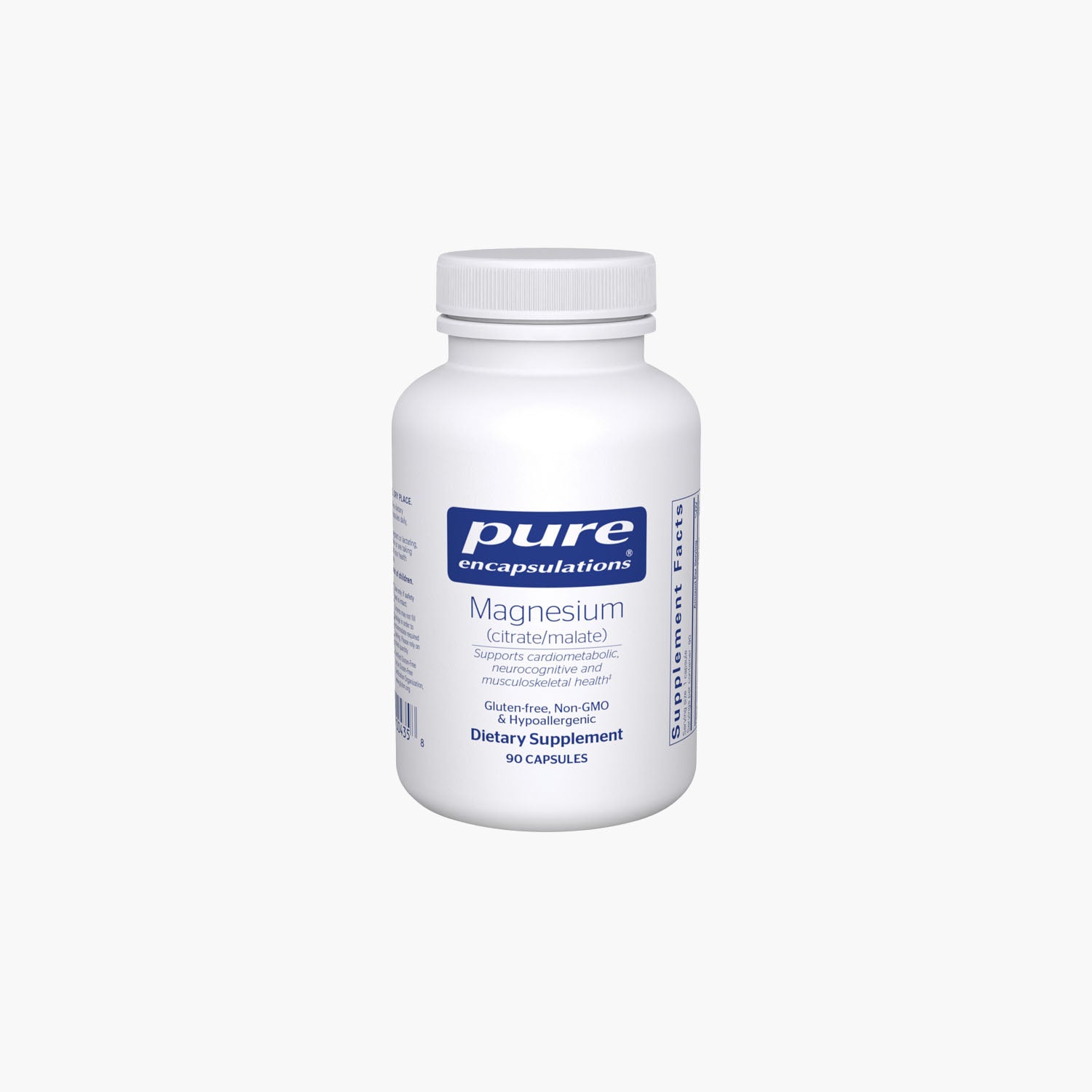

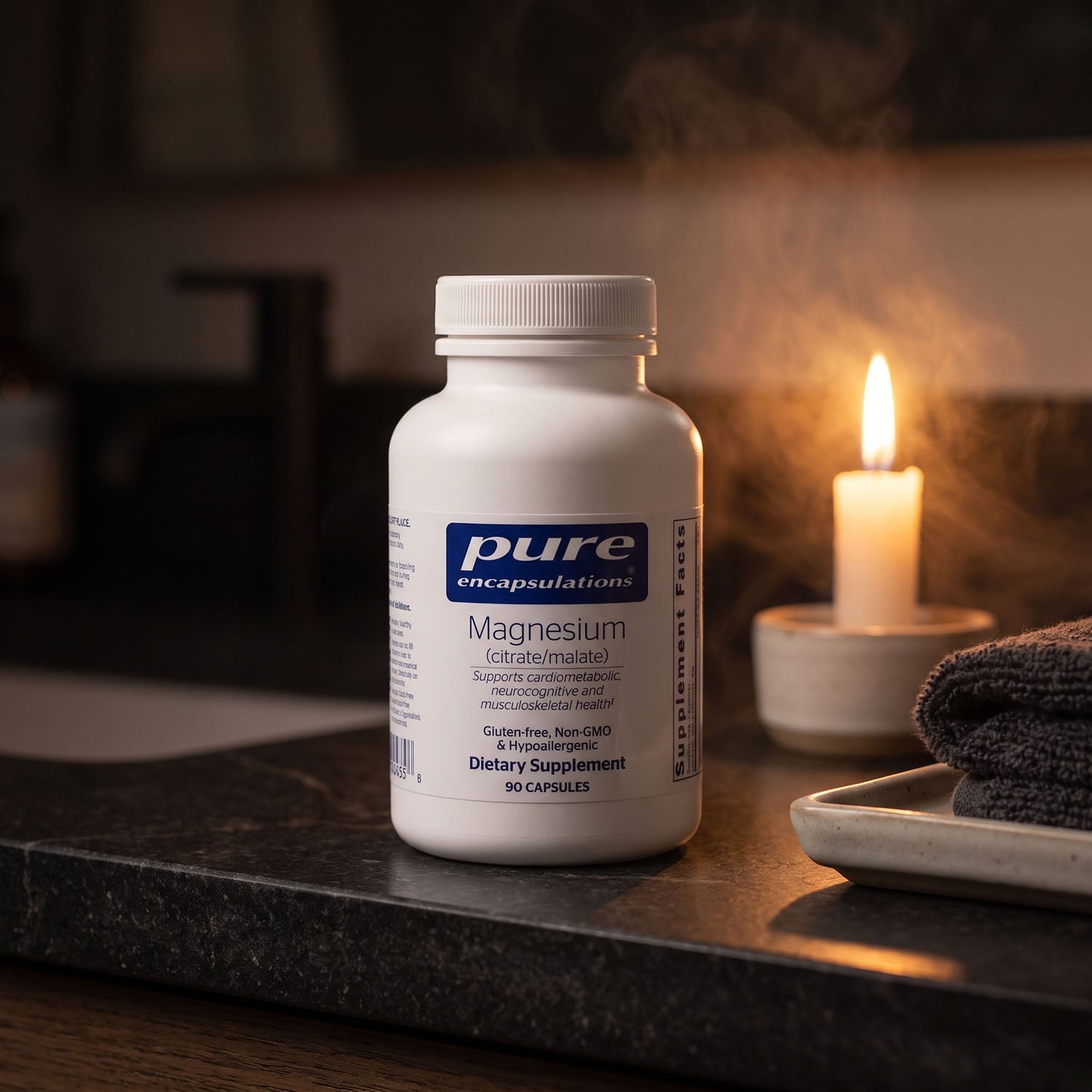
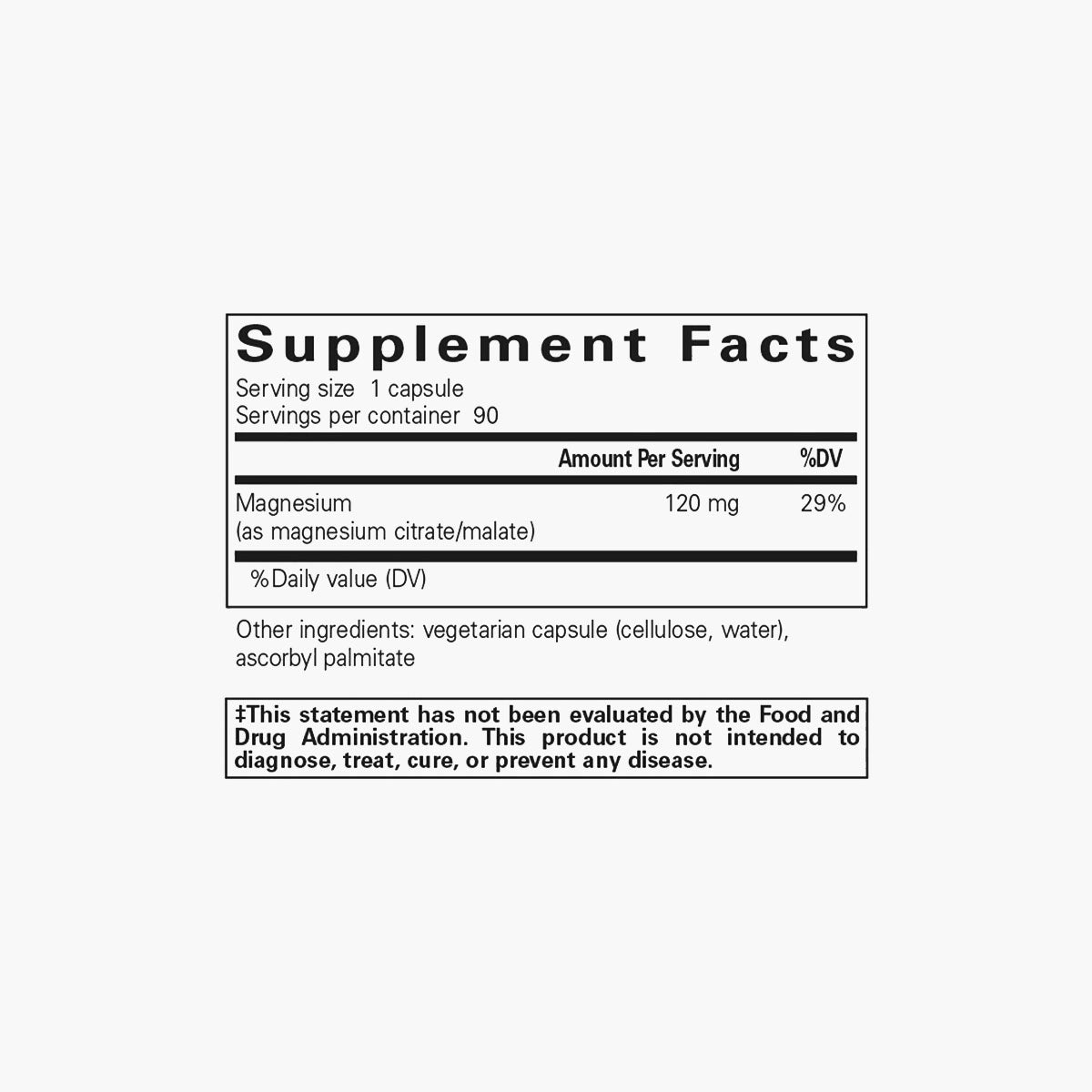
Citrate and malate: well absorbed, a good daytime choice


Taurate: magnesium paired with taurine

Complex: seven forms in one capsule if you want to cover the bases
Magnesium, explained in two minutes
Magnesium takes part in over 300 processes in the body, from muscle and nerve function to energy production and sleep. Many adults fall short of the recommended intake, and low levels are linked to poor sleep, muscle cramps and tiredness.
Supplements always pair magnesium with another compound. Glycinate, also sold as bisglycinate, binds it to the amino acid glycine. It is well absorbed and gentle on the digestive system, and glycine itself has a calming reputation, which is why glycinate is the most popular choice for evening use. Citrate is well absorbed and good value but can loosen stools at higher doses. Malate is a common daytime pick. L-threonate is chosen for focus because of research on brain magnesium levels. Oxide contains a lot of magnesium by weight but little of it is absorbed.
Check the label for elemental magnesium rather than the total compound weight, as the two can differ several times over. Capsules are the usual format; powders suit people who want a flexible dose, and gummies are a lower dose option. Whatever the type, taking it consistently matters more than timing.
Questions, answered
Which type of magnesium is best?
For most people, glycinate. It is well absorbed, gentle on the stomach and the usual choice for sleep and calm. Citrate is a good value everyday option, malate suits daytime use, and L-threonate is chosen for focus. If you want several in one, pick a complex.
How much magnesium should I take?
Most products provide 100 to 400 mg of elemental magnesium per serving. The adult recommended daily intake is roughly 310 to 420 mg from all sources, so a supplement of 200 to 400 mg a day is common. Start at the lower end and follow the label.
When is the best time to take it?
Glycinate and L-threonate are often taken in the evening, 30 to 60 minutes before bed. Malate and citrate fit any time of day. All can be taken with or without food. If you take a higher amount, splitting it between morning and night may help.
Can I combine two types?
Yes. Many people take glycinate in the evening and malate or citrate in the morning, or use a complex. Add up the elemental magnesium across products so you stay within the label dose.
Who should avoid magnesium supplements?
People with kidney disease should speak to a doctor first. Magnesium can affect the absorption of some antibiotics, bisphosphonates and other medicines, so leave a gap of a few hours or ask your doctor. Pregnant or breastfeeding women should check with their doctor before supplementing.
How long until I notice a difference?
Some people notice calmer evenings within a week. Changes in muscle cramps and sleep usually take 2 to 4 weeks of consistent use. Magnesium builds up gradually, so take it daily rather than as needed.